









Manage Complex Pay Decisions Throughout Oil and Gas Operations
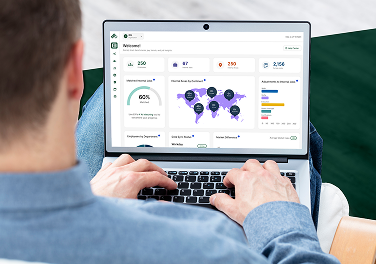
The oil and gas industry must continuously adapt to changing commodity markets, regional labor shortages, demanding operating environments, and competition for technical talent. ERI’s Assessor Platform helps organizations manage workforce costs while attracting, retaining, and rewarding critical operational and leadership talent. With our platform, you can:
- Set competitive pay for technical, operational, and leadership roles.
- Benchmark compensation across upstream exploration, midstream transport, downstream refining, pipeline operations, and oilfield services.
- Evaluate geographic differentials and model pay changes with current oil and gas salary data and state-of-the-art planning tools.
Compensation Solutions Built for Oil and Gas Workforces

Accurate Pay Benchmarks for Every Oil and Gas Operating Model
ERI helps integrated companies, midstream operators, and independent producers benchmark pay according to their operating model and workforce needs. Use ERI’s Salary Assessor to evaluate reliable oil and gas salary data by role, level, location, shift and organization size. This creates more relevant comparisons than relying on one broad oil industry salary average.

Job Matching Made Simple
Job titles alone may not reflect the scope or complexity of highly skilled oil and gas work. ERI’s AI Job Matching identifies relevant benchmark roles based on duties and responsibilities, creating a defensible foundation for oil and gas salary benchmarking. With AI Job Description Writing, teams can create more consistent descriptions for niche and evolving positions. After matching to a benchmarked job title, teams can refine the salary analysis further for experience, skills, certifications, and shift requirements.

Compare Oil and Gas Pay by Location with Confidence
ERI’s Geographic Assessor allows you to compare oil and gas locations against a selected base market using geographic cost-of-labor differentials. Evaluate how pay varies between markets such as a Permian Basin operation and a Gulf Coast refinery, then use those differences to guide consistent salary decisions for field operations, facilities, and corporate offices.

Keep Pay Flowing Across Every Shift
Around-the-clock oil and gas operations depend on employees working night, swing, and weekend shifts. ERI’s Assessor Platform helps teams evaluate competitive shift differentials, apply consistent rates to eligible employees, and incorporate those adjustments into existing pay grades and compensation programs. Ensure competitive rates across critical shifts by leveraging ERI’s oil and gas compensation data.

Detect Pay Compression Early and Protect Pay Equity
Pay compression occurs when market adjustments or aggressive hiring rates bring new employee pay too close to or above the pay of experienced workers. ERI helps teams compare oil and gas salary data by job, grade, location, and seniority to identify compression and potential disparities. These insights can support clearer pay progression within job families, such as from air quality control specialist to air quality control engineer.

Model Pay Before the Market Moves
Commodity cycles and changing operating demands can quickly reshape workforce budgets. ERI’s Compensation Management tools help teams model salary adjustments, evaluate their financial impact, and compare scenarios before changes are finalized. This gives leadership a clearer basis for oil and gas compensation planning.

Convert Oil and Gas Compensation Data into Defensible Pay Decisions
Oil and Gas Compensation FAQs
Why choose ERI for oil and gas salary benchmarking? 

ERI combines accurate oil and gas compensation data with job matching, geographic analysis, and compensation management tools. Our database includes 35,900+ jobs, 10,500+ global locations, and 1,100+ industries. Teams can:
- Benchmark upstream, midstream, downstream, and oilfield service roles
- Compare geographic differentials between operating locations
- Match internal titles to relevant benchmarked jobs with AI-powered tools
- Review pay equity, compression, and salary changes
- Support oil and gas compensation planning with clearer workforce insights
Which oil and gas job titles can ERI benchmark?
ERI provides salary data for jobs throughout upstream, midstream, downstream, and oilfield service operations, including:
- Petroleum, reservoir, drilling, and production engineers
- Rig managers, drilling supervisors, floorhands, and roustabouts
- Lease operators, pipeline controllers, terminal operators, and refinery personnel
- Welding inspectors, offshore electricians, and instrumentation technicians
- Geological aides, gas analysts, air quality specialists, and environmental engineers
- Operations managers, executives, and project-support roles
These are only representative examples. ERI’s database includes more than 35,900+ jobs, giving compensation teams access to benchmarks for operational, environmental, corporate, and leadership positions. If you’re looking for a specific role in the oil and gas industry, contact us.
What factors affect pay for oil rig and field operations roles?
Pay for oil rig and field operations roles varies by the work performed, level of responsibility, experience, schedule, and local labor market. Floorhands, derrickhands, and equipment operators should each be evaluated against the appropriate job benchmark rather than grouped under one broad oil rig laborer salary. ERI helps compensation teams compare these roles using accurate salary data and geographic differentials.
How can ERI account for certifications, shift work, and geographic differences?
ERI helps teams account for these factors in stages. First, AI Job Matching helps teams identify relevant survey jobs based on duties and responsibilities. After the match, compensation analyses can be refined for experience, skills, certifications, and shift requirements. ERI’s Geographic Assessor and shift differential adjustments then support location- and schedule-based comparisons.
How does ERI support oil and gas compensation planning and executive pay analysis?
ERI’s Compensation Management tools help teams review employee pay, compare scenarios, and measure the budget impact of proposed salary changes. ERI’s Executive Compensation Assessor supports analysis of executive compensation packages in the energy sector using position, industry, organization size, location, and peer-company data. Benchmark salaries, bonuses, long-term incentives, stock awards, and other compensation for planning and reporting.