









Agriculture Salary Data and Compensation Solutions
Operating in the agriculture industry is complex. Unpredictable weather, tight margins, demanding workloads, and competition for specialized talent make an effective pay strategy essential. ERI provides trusted agriculture salary data and solutions to help compensation teams build competitive pay programs designed to attract and retain talent in field, operations, scientific, and corporate roles.
- Benchmark, plan, and manage compensation and incentives using industry-specific agriculture salary data.
- Compare geographic cost-of-labor differentials for rural, remote, and multi-site workforces.
- Evaluate pay equity and stay informed about changes to minimum wage rates and FLSA requirements.

How It Works


Cultivate a Compensation Strategy Built to Grow

Agriculture Salary Benchmarking for Specialized Roles
Agriculture organizations employ diverse specialists, from agronomists and farm managers to agricultural engineers and scientists. ERI’s AI Job Matching aligns your job title and description with relevant ERI benchmark jobs. Compensation teams can then refine the match and compare salaries by level, experience, organization size, industry, and location. This provides a consistent basis for evaluating an agricultural engineer salary or agricultural scientist salary in the relevant market.

Plant Stronger Pay Structures
A strong pay structure helps agriculture organizations compete for skilled workers, support career progression, and manage salary budgets through seasonal and market changes. ERI’s pay grade solution combines compensation data and AI-powered features to help teams create salary ranges and manage pay grades for farming, operations, engineering, maintenance, and leadership roles.

Dig Deeper into Specialized Skills
An agricultural technician salary can vary based on the qualifications and working conditions required for the role. ERI helps teams evaluate pay adjustments for education, skills, certifications, shift differentials, and direct oversight. Teams can add agriculture-specific qualifications, such as the Certified Crop Adviser (CCA) credential, to better reflect each job’s requirements and responsibilities.

Cultivate Consistent Pay Practices
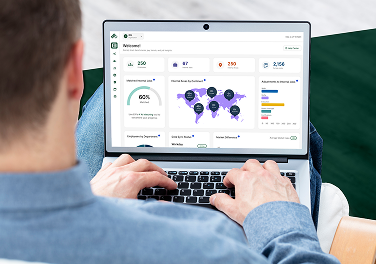
Agriculture workforces may span job families, facilities, field locations, and geographic markets, making unexplained pay differences harder to detect. ERI’s workforce employee insights help teams compare an employee’s base salary with their peer group average and review pay differences between supervisors and direct reports. Teams can also analyze these measures by nation to identify compensation relationships that may require further review.

Build Pay That Works in Every Season
Seasonal cycles, production demands, weather, and changing labor costs can complicate agriculture compensation planning. ERI’s Compensation Management solution combines current market benchmarks with centralized employee data to help teams evaluate salaries, manage incentives and budgets, and communicate pay decisions.

Compensation for Every Location
Compensation can vary significantly between rural communities, agricultural regions, and major metropolitan markets. ERI’s geographic salary data helps teams set salary structures, compare cost of labor and cost of living by area, and review current minimum wage rates. These tools support compensation planning and help teams stay informed about applicable wage requirements in each location.
Harvest Better Compensation Decisions
Benchmark Agriculture Job Titles at Every Level
- Farm Manager
- Agronomist
- Agricultural Engineer
- Agribusiness Manager
- Ranch Manager
- Agricultural Technician
- Precision Agriculture Specialist
- Agricultural Systems Specialist
- Agronomy Manager
- Agricultural Services Director
- General Manager Farm
- Livestock Production Manager
- Nursery Manager
- Director Agronomy
- Farm Worker Supervisor
- Animal Scientist
- Plant Pathologist
- Plant Breeder
- Soil Scientist
- Crop-Research Scientist
- Horticulturist
- Microbiologist
- Entomologist
- Botanist
- Bioinformatics Technician
- Laboratory Analyst
- Agricultural Products Sales Representative
- Agronomy Products Sales Representative
- Livestock Sales Representative
- Agricultural Pilot
- Crop Duster
- Farm Equipment Mechanic
- Farm Machinery Operator
- Tractor Operator
- Irrigation Worker
- Pest Control Technician
- Fumigator
- Crop Farmer
- Farmer Field Crop
- Farmer Horticultural
- Horticultural Specialty Grower
- Crop Farm Worker
- Farm Worker/Crop Field
- Greenhouse Worker
- Nursery Worker
- Animal Handler
- Farrier
- Artificial Breeding Distributor
- Dairy Processing Operator
- Cheesemaker
- Land Steward
- Soil Conservationist
- Farmland Protection Program Director
- Farmland Protection Project Manager
- Safety Manager
- Safety Specialist
- Traffic Manager
- Scale Operator
- Conveyor System Operator
- Truck Mechanic
Agriculture Compensation FAQs
How can organizations in the agriculture industry benchmark hard-to-price jobs? 

The agriculture industry employs specialized and niche roles, making it difficult to determine fair pay. Compensation teams can benchmark these occupations using market salary data and flexible job creation capabilities. Whether you are evaluating an agronomist salary or a farm manager salary, ERI allows you to combine benchmark jobs into custom roles and price positions according to their responsibilities rather than job titles alone. You can also use AI Job Matching to align your job title and description with relevant ERI benchmark jobs, then review, compare, and finalize the match. This is particularly useful for specialized agricultural, scientific, engineering, operational, and technical positions that may not align neatly with standardized job titles.
How should organizations compensate for employees in rural or remote locations?
A lower cost of living does not necessarily mean an organization should pay less, especially for a skilled, specialized position. Employers need to consider the labor market to attract the right employees and reduce turnover. ERI’s Geographic Assessor provides cost-of-labor and cost-of-living differentials to help compensation teams compare pay across locations and develop effective geographic pay strategies. This can support compensation decisions for rural operations, remote sites, relocations, new facilities, and locations where specialized talent is difficult to recruit.
Why is geographic compensation data important in the agriculture industry?
Location has an especially strong influence on agriculture compensation because the work is often tied to specific sites. A farm, ranch, or processing facility cannot necessarily move to gain better talent access. Geographic compensation data helps teams compare labor costs between locations, establish geographic differentials, and determine the pay needed to recruit employees in difficult-to-staff markets.
Can ERI help account for shift differentials and specialized qualifications?
Yes. Agriculture organizations do not always follow a traditional 9-to-5 schedule. Seasonal production cycles, field operations, rotating shifts, and around-the-clock facilities can create additional compensation considerations. ERI’s pay adjustment options help organizations evaluate shift differentials and specialized qualifications such as education, skills, and certifications. This supports compensation that better reflects each job’s requirements.
Where can I get reliable Agriculture salary surveys?
Compensation professionals should use salary surveys as a reference to benchmark salaries against the market, stay competitive, and attract and retain top talent. Salary survey data for the agriculture industry is available through government labor statistics, specialized agricultural job boards, and regional employer associations. ERI’s Agriculture Salary Survey reports compensation for 253 benchmark jobs covering agricultural production and support activities related to growing crops, raising animals, and more.