







Benchmark the Work Behind the Equipment
In machinery manufacturing, similar titles cover different types of work. One computer numerical control (CNC) role may focus on machine operation, while another includes setup and programming. Field service work may involve troubleshooting equipment at customer sites. These differences complicate job matching and make it harder to establish and explain why some roles warrant varying salary ranges.
Use ERI to compare unique job responsibilities with market benchmarks and give your team a clearer basis for compensation recommendations.
- Choose salary benchmarks that reflect the duties behind production, engineering, and service job titles.
- Compare the geographic labor markets relevant to your manufacturing facilities and service locations.
- Identify pay compression between new hires, experienced specialists, and supervisors to prioritize salary adjustments.

How It Works


Machinery Manufacturing Subindustries
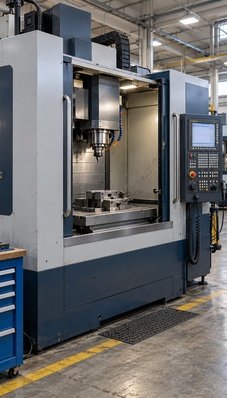
Metalworking Machinery and Equipment Manufacturing
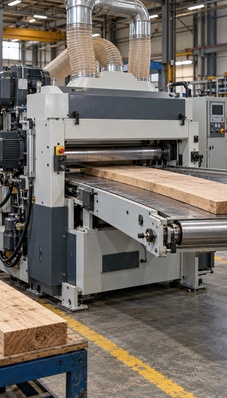
Specialty Industrial Machinery Manufacturing
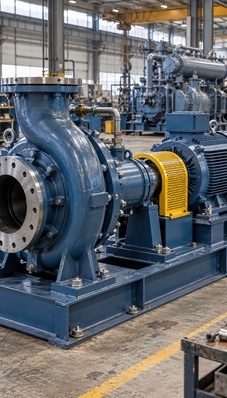
General Purpose Machinery Manufacturing
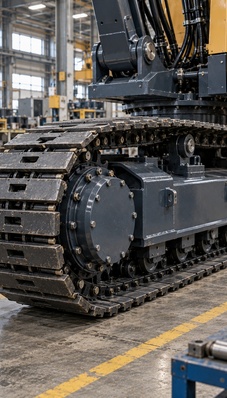
Construction and Mining Machinery Manufacturing
Metalworking Machinery and Equipment Manufacturing
Specialty Industrial Machinery Manufacturing
General Purpose Machinery Manufacturing
Construction and Mining Machinery Manufacturing
Compensation Solutions for Machinery Manufacturing Teams

Match Specialized Jobs to the Right Benchmarks
A technician assembling machinery may perform different work than one who commissions equipment at a customer site. Use ERI’s AI Job Matching to compare internal titles and descriptions with suggested benchmarks. Review duties before selecting a match so your pay recommendations reflect the work performed.

Compare Pay Beyond the Job Title
Evaluate machinery design and production roles using ERI’s Salary Assessor. Compare base pay and incentives by location, industry, and organization size. Refine the analysis by experience or specialized skills to establish ranges that reflect your workforce.

Build Pay Progression for Technical Careers
Define how pay should progress as employees take on more complex assembly work or move into equipment testing and service. ERI’s pay grade tools help you create and maintain salary structures for different career paths. Use AI Pay Grade Creation as a starting point, then review the proposed groupings against your job levels and compensation strategy.

Set Pay for Each Manufacturing and Service Location
The labor market around a machinery plant may differ from those supporting regional service teams. Use ERI’s Geographic Assessor to compare local labor costs and determine whether salary ranges should vary across manufacturing facilities and service locations.

Review Internal Pay Before Raising Hiring Rates
A higher offer for a new technician can narrow the pay gap between new hires and experienced employees or supervisors. Upload your employee data to ERI’s Compensation Management platform to review pay compression and compare employee pay with market benchmarks. Review compensation across protected groups before deciding which adjustments warrant further analysis.

Direct Your Compensation Budget Where It Matters
Review proposed increases for engineering, equipment assembly, and service teams against your compensation budget. Use ERI’s Employee Pay Alignment reports to compare employee pay with market data and pay grade ranges. Prioritize adjustments based on your pay strategy and share the supporting analysis with and Operations.

Explore ERI’s Assessor Platform for Machinery Manufacturing
Give Each Stakeholder the Analysis They Need

HR and Compensation Teams

Finance Teams

Engineering and Operations Leadership

Compliance and Legal Teams
Refine and Maintain Your Compensation Analysis


ERI’s Machinery Manufacturing Job Titles
- Mechanical Engineer
- Electrical Engineer
- Manufacturing Engineer
- Product Design Engineer
- Controls Technician
- Machine Builder
- Machine Assembler
- Mechanical Assembler
- Production Machinist
- Numerical Control Machine Operator
- Numerical Control Machine Setup Operator
- Numerical Control Programmer
- CAD/CAM Design Drafter
- CAD Technician
- Design Engineer
- Product Development Engineer
- Industrial Engineer
- Test Engineer
- Test Technician
- Electrical Engineering Technician
- Millwright
- Maintenance Machinist
- Electrician Industrial
- Welder
- Welding Technician
- Welding Engineer
- Tool Programmer Numerical Control
- Machine Setup Operator
- Machine Operator
- Assembler Special Machines
- Calibration Technician
- Quality Control Inspector
- Quality Control Technician
- Quality Control Engineer
- Quality Assurance Manager
- Nondestructive Tester
- Coordinate Measuring Machine Programmer (CMM Programmer)
- Assembly Supervisor
- Production Supervisor
- Production Manager
- Manufacturing Engineering Manager
- Design Engineering Manager
- Manufacturing Manager
- Vice President Manufacturing
- Maintenance Director
- Installation Manager
- Installation Supervisor
- Test Mechanic
- Sales Engineer
- Industrial Machinery Sales Representative
- Technical Writer
- Production Planner
- Production Scheduler
- Supply Chain Manager
- Materials Manager
- Commodity Buyer
- Inventory Control Manager
- Safety Manager
- Plant Controller
- Human Resources Plant Manager
Machinery Manufacturing Compensation FAQs
How can we benchmark salaries in the machinery manufacturing sector? 

Use ERI’s AI Job Matching to suggest benchmarks based on your internal job titles and descriptions, then review the matches against actual duties. With Salary Assessor, compare compensation for your industry and labor market and refine the analysis for factors such as organization size and experience. Use the results to establish or review salary ranges.
How should we benchmark CNC manufacturing[CP5.1] salaries for roles with different responsibilities?
Benchmark Computer Numerical Control (CNC) roles by their duties, distinguishing machine operation from setup and programming. A shared CNC title can conceal meaningful differences in responsibility, which affects employee compensation.
How can machinery manufacturers identify pay compression?
Compare pay for new hires with that of experienced employees in similar roles and review pay differences between technical specialists and supervisors. ERI’s Compensation Management tools help teams examine internal pay relationships alongside market benchmarks to identify where adjustments may be needed.
How can machinery manufacturers compare pay between plant and field service locations?
Use ERI’s Geographic Assessor to evaluate labor costs between locations. These comparisons help your team evaluate whether a shared salary range is appropriate for manufacturing facilities and regional service teams or whether location-specific ranges are needed. Compare equivalent roles when assessing geographic differences, so variabilities in duties do not distort the analysis.
How can machinery manufacturers build pay progression for technical roles?
Define job levels that reflect increasing responsibility and technical complexity, then establish salary ranges using relevant market benchmarks. ERI’s pay grade tools help teams create and maintain structures for career paths such as machinery assembly and equipment testing. Review your ranges as job requirements and market pay change.