












Manage Complex Pay Decisions across Energy Operations
Energy compensation teams manage pay across a variety of operating environments, from upstream field operations and refinery teams to power generation, utility crews, and regulated infrastructure roles. With ERI’s Assessor Platform, you can evaluate energy salary data, compare geographic pay differentials, and maintain salary ranges that account for specialized skills, shift differentials, and compliance requirements.

Building Modern Energy Sector Compensation Packages

Benchmark Energy Roles across Complex Labor Markets
Energy employers compete for engineers, operators, technicians, field crews, and utility roles across overlapping labor markets. ERI’s Salary Assessor gives you energy salary benchmarking data to evaluate pay by job, level, location, and industry.

View Geographic Pay Differentials across Energy Sites
You need location-specific data when pay varies by basin, refinery hub, utility service territory, or remote site. ERI’s Geographic Assessor allows you to evaluate geographic pay differentials and maintain consistent salary ranges across your sites.

Manage Shift Differentials and Energy Pay Factors
Energy pay structures need to account for education, skills, certifications, shift differentials, and direct oversight. Our platform gives you reliable market data to compare pay practices across complex operating environments.

Establish Salary Ranges for Energy Pay Equity
Pay transparency laws have increased scrutiny around how energy employers define salary ranges. ERI’s Compensation Management tools help you evaluate market pay, identify internal pay gaps, and maintain ranges that reflect location, shifts, and premiums.

Align Job Levels across Energy Operations
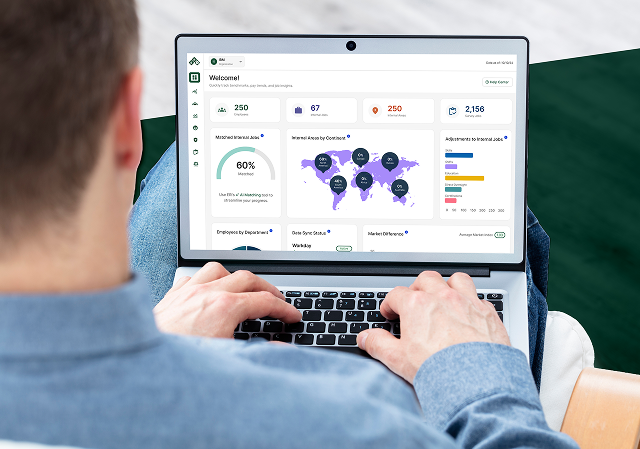
A technician, operator, engineer, or supervisor role may represent different functions across sites, assets, or business units. ERI’s Assessor Platform offers AI Job Matching to align internal titles with ERI’s top relevant roles. This gives you a clear foundation for job levels, pay grades, and salary ranges across field, plant, utility, and critical infrastructure roles.

Model Budget Impact for Defensible Pay Decisions
You need reliable compensation planning tools that show how pay decisions affect merit budgets, range updates, market adjustments, and operating plans. ERI’s Compensation Management tools help energy HR, compensation, and finance teams analyze pay data and create customized reports for leadership and key stakeholders.
Energy Salary Data for Workforce Planning
Energy FAQs
How can ERI help benchmark energy jobs? 

With ERI’s Assessor Platform, energy employers can access reliable energy salary data for specialized roles in oil and gas, refining, utilities, power generation, and infrastructure. You can benchmark jobs by title, level, location, industry, years of experience, and organization size. The analyses can be fine-tuned based on education, shift work, skills, certifications, and direct oversight. Harness our advanced AI-powered job matching tools to align internal energy job titles with comparable ERI roles for accurate market pricing.
Can ERI compare pay across different energy locations?
Yes. ERI’s Geographic Assessor helps energy employers evaluate geographic pay differentials using cost-of-labor data for over 9,100 global locations. You can compare pay by city, ZIP code, metro area, or a custom geographic area that defines your operating location. Our platform also allows users to create cost-of-labor comparison lists, analyze locations against a base city, and save lists for future analyses.
Can ERI account for shift differentials and premium pay in energy operations?
Yes, ERI’s Assessor Platform can account for shift differentials for employees who work different schedules, including day, night, or swing shifts. Energy employers can use this information to evaluate premium pay for roles tied to 24/7 operations, emergency response, control rooms, field work, and plant environments. ERI’s compensation tools also help compare these practices against industry-specific compensation data.
How can ERI help energy employers manage salary ranges?
Using ERI’s robust Compensation Management tools, energy HR and compensation teams can create salary ranges that are easy to explain and defend. You can compare employee pay against real-time market data, review internal pay equity, and adjust ranges when location differences, premiums, or pay transparency requirements affect compensation decisions
How does ERI help with compensation planning in the energy industry?
ERI helps energy HR, compensation, and finance teams turn pay data into practical compensation planning decisions. Teams can model how merit budgets, range updates, and market adjustments affect operating plans and then create customized reports for leadership and stakeholders. This gives energy employers a clearer way to review pay decisions before they impact budgets, workforce plans, or high-demand roles.
How can ERI help evaluate executive compensation packages in the energy sector?
Energy executive pay depends on organization size, industry sector, location, and long-term performance goals. ERI’s Executive Compensation Assessor helps you benchmark executive pay packages for directors, VPs, C-suite leaders, and board members using current market data for planning, reporting, and peer comparisons. This gives teams reviewing energy sector executive compensation packages a structured way to evaluate leadership compensation, including data for executive salaries, bonuses, long-term incentives, non-equity incentives, stock awards, option awards, pension, and other compensation.