







Compensation That Keeps Food Production Moving
Managing compensation in the food processing industry means accounting for specialized skills, shift premiums, geographic wage differences, pay progression, and labor budgets. ERI provides reliable market data to help food manufacturing teams evaluate compensation, identify pay gaps, and manage labor costs while maintaining competitive wages.
- Evaluate shift premiums for around-the-clock production, including night, weekend, early-morning, and sanitation shifts.
- Maintain pay progression from entry-level production workers to experienced operators, skilled technicians, leads, and supervisors.
- Benchmark specialized roles responsible for food safety, HACCP and GMP compliance, sanitation, equipment maintenance, and other critical plant functions.

How It Works


Explore Food Manufacturing Compensation by Sub-Industry
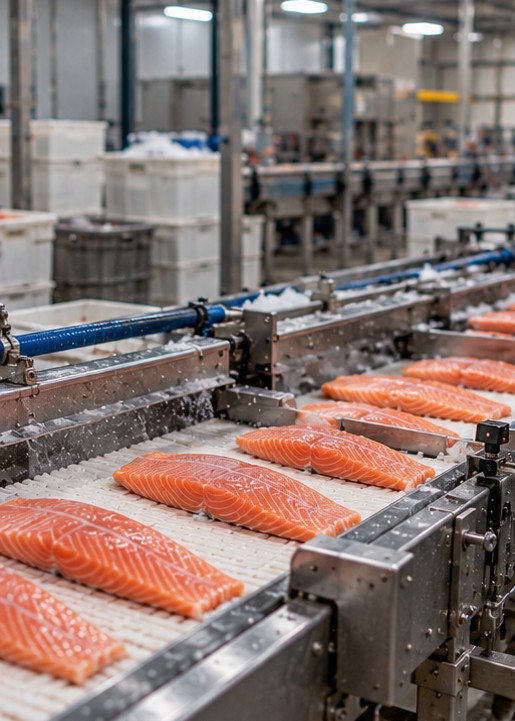
Meat, Poultry, & Seafood Processing
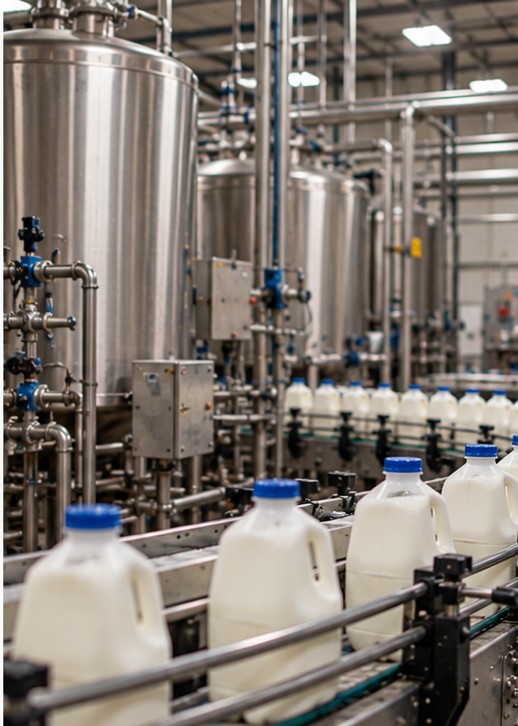
Dairy & Refrigerated Food Manufacturing
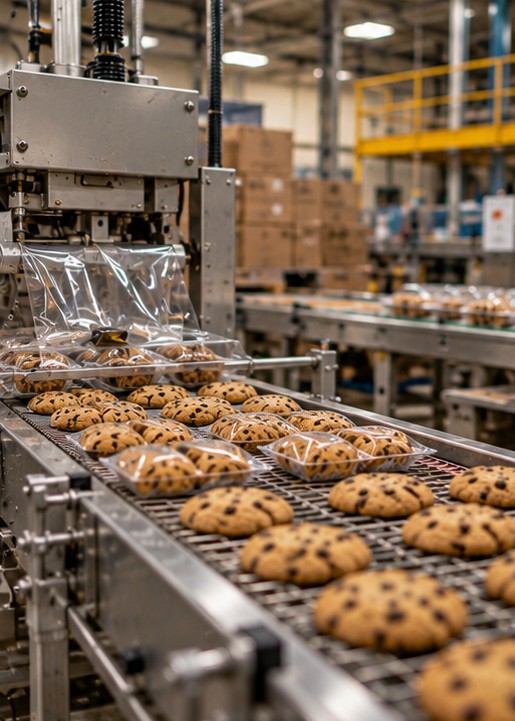
Bakery, Snack, & Packaged Food Manufacturing
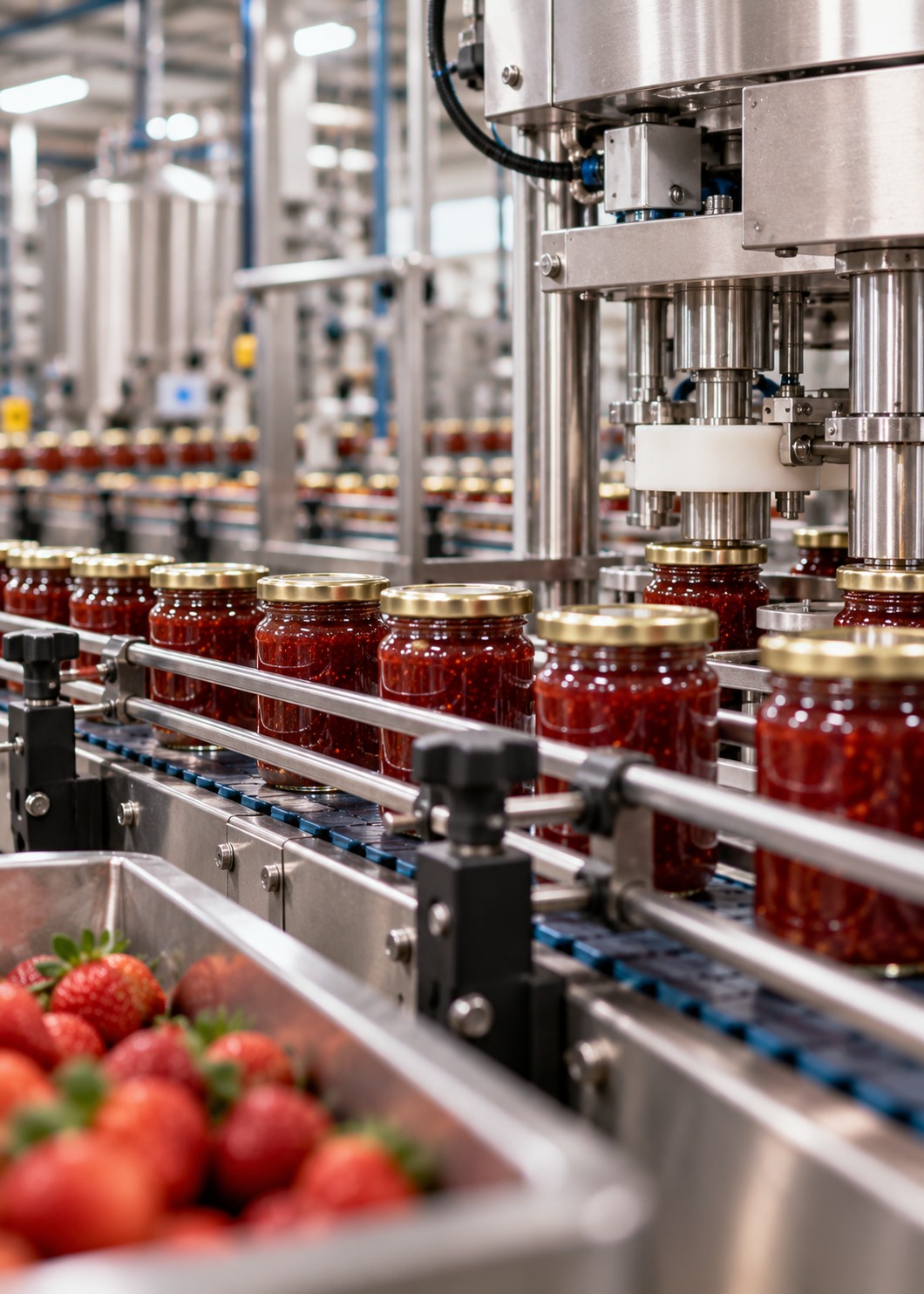
Fruit and Vegetable Preserving and Specialty Food Manufacturing
Meat, Poultry, & Seafood Processing
Dairy & Refrigerated Food Manufacturing
Bakery, Snack, & Packaged Food Manufacturing
Fruit and Vegetable Preserving and Specialty Food Manufacturing
Keep Pay Competitive on the Production Line

Benchmark Specialized Food Manufacturing Roles
Food manufacturing companies often face skilled labor shortages in critical production, maintenance, and food safety roles, increasing pressure to offer competitive wages and shift premiums. ERI helps teams benchmark specialized positions and refine compensation based on relevant qualifications and certifications, including HACCP, GMP, allergen control, and forklift operation, where applicable.

Set Competitive Shift Differential Pay with ERI Data
ERI’s shift differential data helps food manufacturing companies evaluate competitive premiums for harder-to-staff shifts. Apply available shift adjustments based on expert-verified research or use custom hourly adjustments to support compensation decisions for food processing plant operations.

Strengthen Production Pay with AI-Powered Pay Grades
Use ERI’s AI Pay Grades tool to help build structured pay grades by grouping internal food manufacturing roles based on job relationships and market data. Teams can review and adjust job groupings, then set market-based pay grade values to support appropriate compensation progression from new hires to experienced employees.

Compare Pay Between Food Processing Plants
Use local labor market data to establish competitive pay for production workers, maintenance technicians, plant supervisors, and other critical roles. ERI’s geographic differential and cost-of-labor data help food manufacturers evaluate wage and salary differences between food processing plants and adjust compensation structures to reflect local labor markets.

Simplify Job Benchmarking with AI
Simplify job benchmarking by uploading your internal job titles and descriptions to ERI’s AI Job Matching tool. Receive up to five recommended ERI benchmark job matches for each position, helping your team identify relevant comparisons for specialized roles within food manufacturing operations.

Plan Labor Costs Across Production Operations
Food manufacturers must balance competitive pay with labor budgets for production, maintenance, operations, and other critical roles. ERI’s market data and Compensation Management tools help teams evaluate internal employee pay, identify compensation gaps, maintain salary structures, and plan adjustments while considering their financial impact on plant operations.
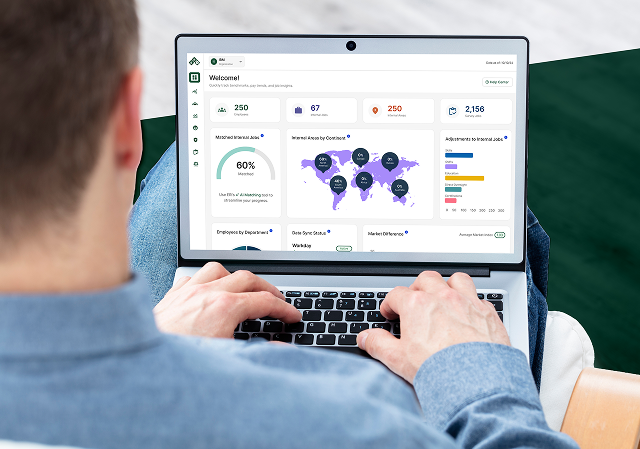
See How ERI Supports Food Manufacturing Compensation
Compensation Decisions Across Food Manufacturing Facilities

Human Resources and Compensation
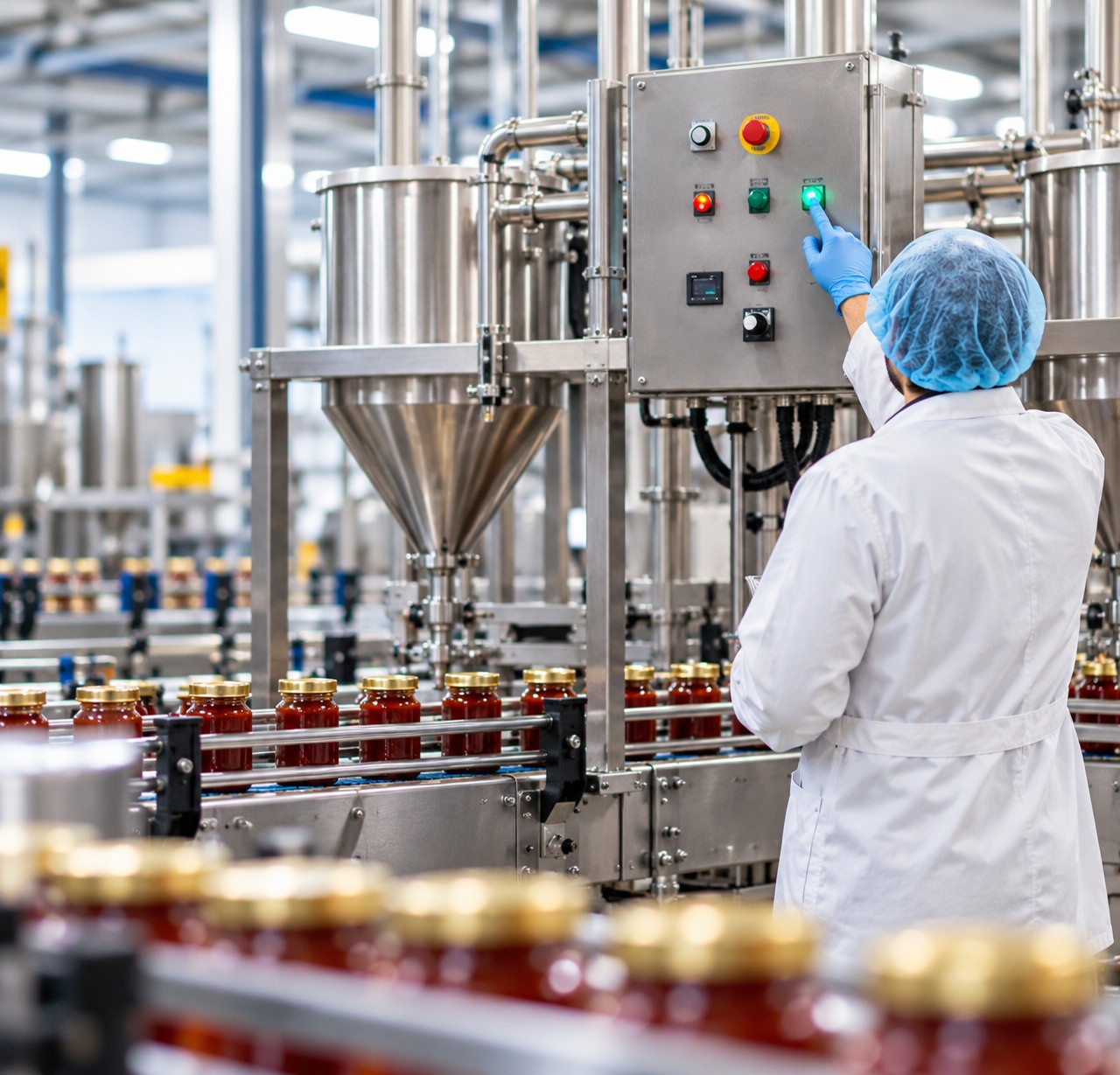
Plant and Operations

Finance and Budget

Talent Acquisition and Recruitment
Compensation Tools Built for Food Manufacturing


ERI's Food Manufacturing Job Titles
- • Food Production Worker
- • Production Operator
- • Production Supervisor
- • Production Manager
- • Production Team Leader
- • Production Planner
- • Production Scheduler
- • Production Coordinator
- • Production Superintendent
- • Plant Manager
- • Assistant Plant Manager
- • Plant Operations Manager
- • Plant Superintendent
- • Manufacturing Manager
- • Manufacturing Operations Manager
- • Manufacturing Supervisor
- • Process Operator
- • Process Supervisor
- • Food Process Worker
- • Food Mixer Operator
- • Dairy Processing Operator
- • Aseptic Filling Operator
- • Bottling Line Operator
- • Filling/Packaging Operator
- • Packaging Technician
- • Packaging Supervisor
- • Packaging Manager
- • Packaging Engineer
- • Meat Processor
- • Meat Packager
- • Food Safety Specialist
- • Food Safety Manager
- • Food Safety Director
- • Quality Assurance Specialist
- • Quality Assurance Supervisor
- • Quality Assurance Manager
- • Quality Control Technician
- • Quality Control Inspector
- • Quality Control Supervisor
- • Quality Control Manager
- • Food Science Technician
- • Food Scientist
- • Food Technologist
- • Food Chemist
- • Maintenance Director
- • Plant & Maintenance Technician
- • Maintenance Machinist
- • Ammonia Refrigeration Technician
- • Ammonia Operator
- • Refrigeration Mechanic
- • Plant Engineer
- • Food Process Engineer
- • Process Engineer
- • Manufacturing Engineer
- • Supply Chain Manager
- • Logistics Manager
- • Inventory Control Manager
- • Materials Manager
- • Continuous Improvement Manager
- • Forklift Operator
Food Manufacturing FAQs
What food manufacturing jobs can be benchmarked with ERI? 

ERI provides compensation data for a wide range of food manufacturing positions, including production workers, machine operators, maintenance technicians, quality professionals, food scientists, engineers, plant supervisors, operations managers, and plant leadership roles.
Can ERI help benchmark specialized or hybrid food manufacturing jobs?
Yes. ERI’s AI Job Matching tool analyzes internal job titles and descriptions and recommends relevant ERI benchmark jobs, helping food manufacturers evaluate specialized and hybrid positions based on their responsibilities.
How can food manufacturers determine competitive shift differential pay?
ERI provides shift differential data to help food manufacturers evaluate competitive premiums for evening, night, and other nonstandard shifts. Teams can apply research-based shift adjustments or custom hourly adjustments when benchmarking eligible positions.
How can food manufacturers benchmark employee salaries?
Food manufacturers can use ERI salary data to benchmark compensation for production, maintenance, quality, engineering, operations, and other roles by job, location, industry, and organization size.
Can ERI help food manufacturers plan compensation budgets?
Yes. Food manufacturers can use ERI market data and internal employee information to evaluate compensation costs, plan salary adjustments, manage merit increases, and assess pay decisions against labor budgets.
How can food manufacturers compare compensation between plant locations?
ERI’s geographic differential and cost-of-labor data help food manufacturers evaluate pay differences between plant locations. Teams can use these comparisons to develop location-specific salary structures and review compensation for production, maintenance, and management positions.