Under Section 4958 of the IRS code, the agency may impose penalty taxes on “disqualified persons” and organization managers” when an “applicable tax-exempt organization” engages in an “excess benefit transaction” with the disqualified person[s]. Definitions of the above are as follow.
Applicable tax-exempt organization are those exempt under Section 501(c)(3) or (4). A disqualified person is one who in the past five years was in a position to exercise substantial influence over the affairs of the exempt organization. An organization manager is any officer, director, trustee, or person having similar powers or responsibilities in the exempt organization. An excess benefit transaction is one in which the disqualified person received an economic benefit from the exempt organization that exceeds the value of the benefit the disqualified person provided to the organization. In terms of compensation, this means there was unreasonable compensation under Section 162.
The penalty taxes consist of: 1) Correction by repayment of the overpayment. 2) An excise tax of 25% on the correction. 3) An additional tax of 200% of the correction if payment is not made in 90 days.
To find keyword content within a course, select the course link below:

ERI's 2026 Benefits Benchmarking Survey Highlights
Read More
United States and Canada Minimum Wage Updates - June 2026
Read More
Do Geographic Pay Differentials Account for Inflation?
Read MoreWHITE PAPERS

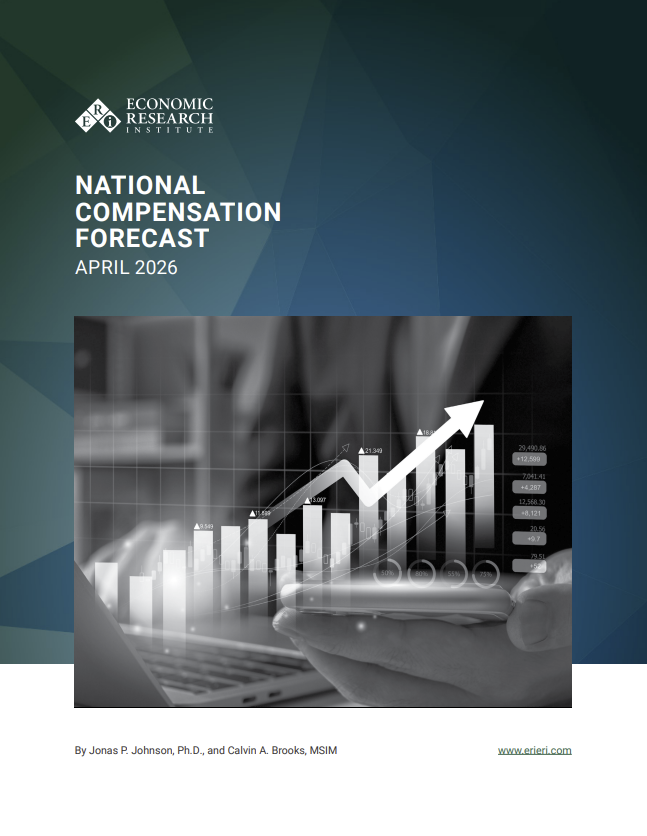
National Compensation Forecast April 2026
Read More
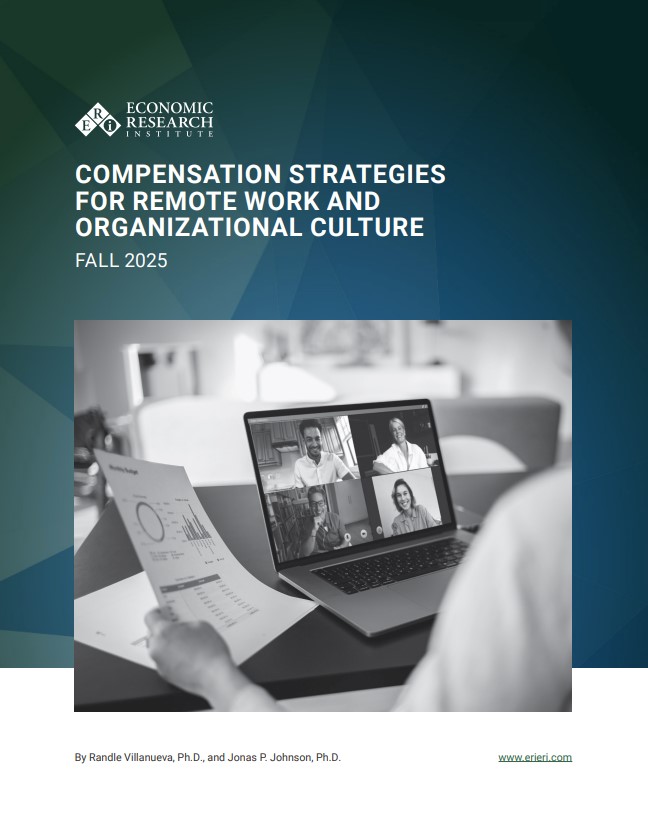
Compensation Strategies for Remote Work and Organizational Culture – Fall 2025
Read More
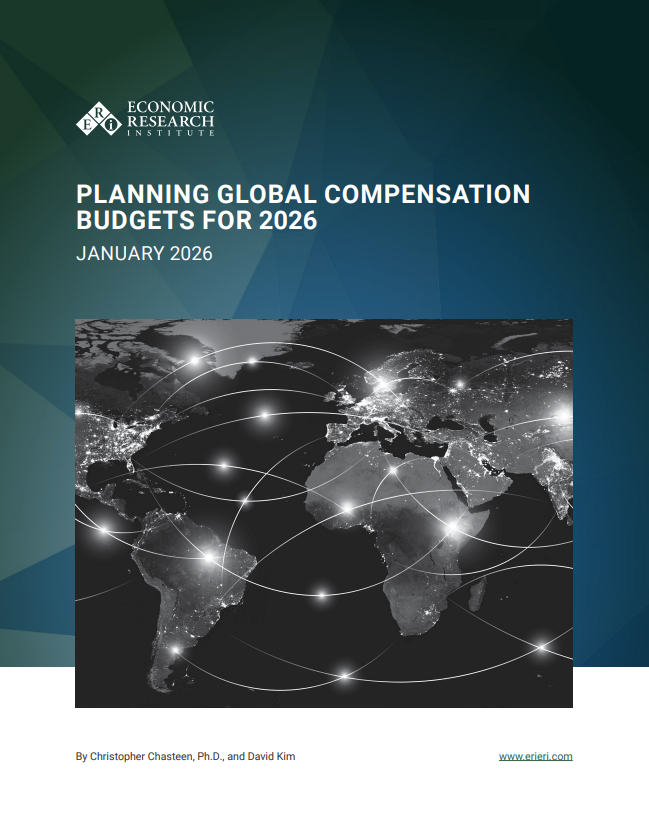
Planning Global Compensation Budgets for 2026 - January 2026
Read More

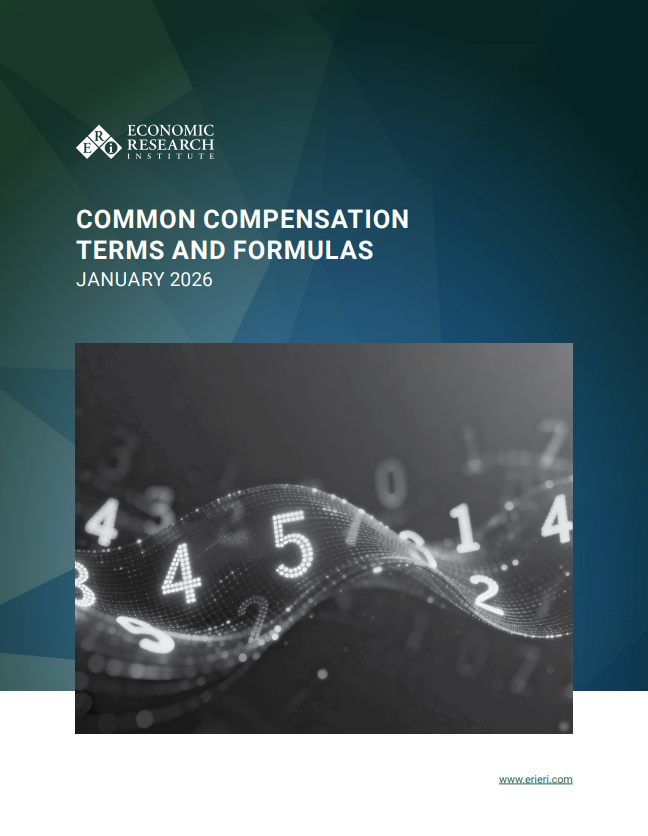
Common Compensation Terms and Formulas - January 2026