
Looking to Benchmark Pay?
Broadbanding
A type of salary structure that reduces the number of grades in a salary structure is called broadbanding. The fact that the competitive landscape for talent and market share has increased means organizations need to be more flexible and responsive, reducing the number of management levels and degrees of bureaucracy. This has led to flatter organizations. Broadbanding is a compensation solution in response to these changes.
Broadbanding results in reducing the number of salary grades and making them wider. The minimums and maximums for salary rates are increased, and the number of points covered in the job structure is increased.
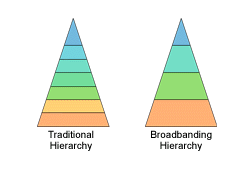
With broadbanding, it’s common to see very wide ranges with spreads of 80-200%. Typically, midpoints are not used. This methodology does offer flexibility for an organization, but the lack of structure requires a significant amount of HR guidance. Broadbanding’s popularity has diminished over the years with less than 10% of companies now using this methodology.
Advantages. Other applications of broadbands are to encourage lateral career progression, cross-functional growth, and employee development in the organization. With broadbands, new career paths have evolved helping employees think less of vertical promotions in the context of flatter less bureaucratic organizations. The added contributions to the bottom line coupled with talent strategy alignment are some of the benefits of broadbanding.
Broadbanding also gives supervisors greater flexibility in reward their employees.
Disadvantages Although there is a lot of flexibility with a broadband program, the lack of structure and lack of control can take up a lot of HR’s time and resources. If not properly managed, it can lead to inconsistency, increased costs with little return on investment (ROI), and feelings of favoritism.
Memory Jogger
Broadbands: