Employers face the challenging task of balancing salary increases with inflation. Inflation impacts the purchasing power of employees, and organizations need to ensure that wages reflect these economic changes to maintain pay equity and a competitive compensation structure. But how much should salaries increase with inflation? What happens when salaries do not keep up with inflation? How do compensation professionals effectively navigate these challenges to maintain fairness, retention, and productivity?
The Connection Between Inflation and Salary Increases
Inflation is a business cycle phase characterized by abnormally high prices and a decrease in the purchasing power of money. When inflation occurs, the value of money decreases, meaning employees need higher salaries to maintain the same standard of living.
If wages do not keep up with inflation, then employees may feel the pinch in their daily lives as everything from groceries to housing becomes more expensive. This is why it is essential to regularly assess salary increases within the context of inflation. But this assessment is more complex than simply tying wage increases to inflation percentages.
How Does Inflation Impact Salary Structures
Inflation has several direct and indirect consequences for compensation, encouraging organizations to review and adjust salary structures.
- Erosion of Purchasing Power: If salaries do not increase at the same rate as inflation, then employees lose purchasing power, leading to dissatisfaction, reduced motivation, and higher turnover rates.
- Cost-of-Living Adjustments (COLAs): Many companies consider inflation when giving annual salary raises through COLAs. These adjustments help employees maintain their living standards, even as the cost of goods and services rises. However, COLAs often only cover inflation, without necessarily reflecting merit or performance.
- Competitive Compensation: Inflation can also impact an organization’s competitiveness in the job market. If competitors offer higher pay increases to offset inflation, then organizations that do not follow suit may find it difficult to attract and retain top talent.
- Wage Compression: When inflation-driven salary increases are applied across the board, it can lead to salary compression, where the pay gap between newer and long-tenured employees narrows. This can cause dissatisfaction among experienced employees who expect their compensation to reflect their value to the organization.
- Budget Constraints: Compensation professionals must balance salary increases with the company’s budget. Inflation-driven pay increases can place additional pressure on tight compensation budgets, making it crucial to review compensation trends to manage financial budgets effectively.
How Much Should Salaries Increase with Inflation?
Organizations may consider inflation adjustments in their compensation planning to maintain competitive pay, attract and retain top talent, and demonstrate that the company values its workforce. It also helps protect the organization from potential wage dissatisfaction or turnover during periods of economic uncertainty. The ideal salary increase to match inflation depends on the inflation rate, the industry, location, and company performance. In the past decade, U.S. inflation has typically hovered around the Federal Reserve’s target of 2%, except for a surge in 2021 and 2022. In some months, inflation topped 7-8%, far exceeding the usual salary increase of 3%. This stark disparity meant that, even with an average 3% salary increase, employees were still experiencing a significant loss in purchasing power.
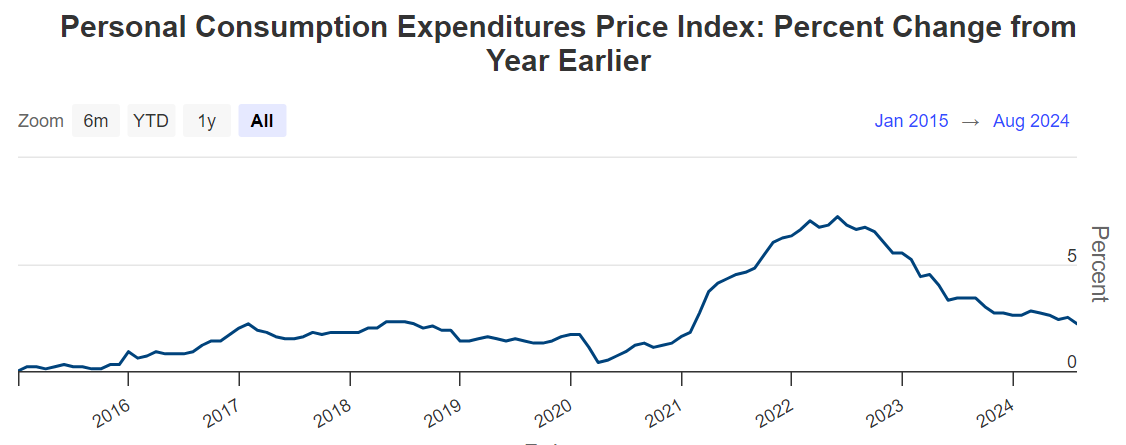
*Image Source: The Federal Reserve
Guidelines for Salary Increases in Inflation Periods
So, how much can salaries increase with inflation during periods of high inflation? There’s no one-size-fits-all answer, but there are a few general principles to consider when adjusting salaries for inflation:
- Examine Gaps Between Cost of Labor and Inflation: Examining the gap between the cost of labor and inflation will help compensation professionals decide whether to adjust salaries toward the high or low end of the pay range. When the cost of labor increases at a faster rate than inflation, offering salaries toward the higher end may be necessary to attract skilled talent and remain competitive. Conversely, if inflation rises faster than labor costs, organizations might adjust salaries more conservatively, focusing on the lower end. Balancing these factors ensures that pay strategies align with market conditions, budget constraints, and employee expectations.
- Consider Industry Standards: Salary increases vary widely across industries. High-demand sectors, such as technology, finance, and health care, may need to offer higher increases to stay competitive. Use compensation surveys, market reports, and reliable online databases relevant to your industry and geographical location to help identify industry standards. Consider using ERI’s Assessor Platform to find market rates for jobs by location, industry, experience, organization size, and shift type when planning salary adjustments for inflation.
- Performance-Based Adjustments: In some cases, organizations may choose to offer a combination of inflation-driven COLA and merit-based raises. This allows the company to reward high performers while also addressing inflationary pressures.
- Regional Considerations: Inflation can also vary significantly by region. For instance, areas with high housing and living costs may experience sharper inflation than other regions. Compensation professionals should consider regional cost-of-living changes when adjusting wages for inflation.
Consequences of Salaries Not Keeping Pace with Inflation
When salaries do not keep up with inflation, organizations can face some consequences:
- Employee Dissatisfaction and Turnover: When employees’ salaries do not keep up with inflation, their ability to afford basic necessities diminishes, causing decreased morale, reduced engagement, and higher turnover. In addition, when considering the true cost of an employee, the loss of institutional knowledge can be detrimental to an organization’s productivity and financial health. Employees may start seeking opportunities at companies that offer better compensation packages, which can leave organizations facing retention challenges.
- Reduced Productivity: Financial stress is a significant factor in employee well-being. When employees are worried about making ends meet, their ability to focus and perform effectively at work may diminish. As a result, companies may see a decline in productivity when salaries do not keep up with inflation. This would be a suitable time to conduct employee engagement surveys. They can help employers understand what employees want to see from organizations, which may guide decisions when adjusting salary structures.
- Negative Impact on Company Reputation: Companies that fail to adjust salaries in line with inflation may also face reputational risks. If word gets out that a company is not adjusting compensation to reflect economic realities, it could harm the brand and make it challenging to attract skilled workers.
Use ERI to Manage Inflation and Salary Increases
Managing salary increases in the face of inflation is a complex and data-driven task for employers. ERI’s Assessor Platform can play a critical role in easing the salary planning process. Here are some ways in which our Assessor Platform can help organizations:
- Streamline Compensation Management: Employers can streamline the compensation management process and adjust salaries based on inflation, performance, and market conditions. By automating salary review processes, compensation professionals can ensure that increases are equitable, consistent, and aligned with company policies.
- Make Data-Driven Decisions: With reliable and current compensation data, employers can find accurate market rates for jobs and make informed decisions based on industry trends, inflation data, and internal performance metrics.
- Manage Budget Constraints: Organizations can model different scenarios considering inflation rates, employee performance, and financial constraints. This enables employers to make adjustments that meet employee needs and budget goals.
- Ensure Compliance and Fairness: Ensure compliance with labor laws, identify any potential pay disparities, and make sure that salary increases are applied consistently across the organization by keeping track of historical data on raises. This transparency is crucial for maintaining employee trust and fair compensation practices.
With ERI, organizations can make data-driven decisions, manage salary increases effectively, and ensure that compensation strategies remain competitive and fair. As inflation continues to fluctuate, staying ahead of these trends will be critical to building a resilient and motivated workforce.