
Looking to Benchmark Pay?
Degree of Centralization
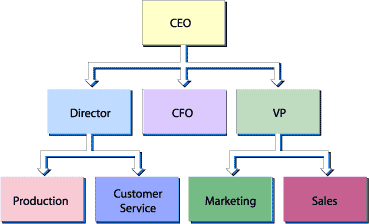
Centralization refers to the degree to which decisions are made by one individual or a select group within an organization. In a centralized business, all major decisions are made by executives, including pay decisions for employees further down the chain of command. In a decentralized business, lower-level managers are given the opportunity to make decisions that directly affect their staff. The degree of centralization will influence the compensation program because it determines the point where important decisions are made and the point where approvals are made.
Centralized businesses
When key decisions and direction for a centralized organization are made by the CEO, decision making can be extremely efficient. On the other hand, a centralized organization could have several layers of bureaucracy and require additional time for decision making. A highly centralized business will experience challenges when implementing a pay-for-performance plan. Also, if decisions are made at the top, it is questionable to reward or give bonuses to unit managers for unit performance.
Autocracies
An autocracy is an extreme example of a centralized business. Due to the fact that autocracies, or authoritarian organizations, limit information to employees and employee trust is unlikely, severe limits are placed on the compensation program. Pay information will most likely be kept secret or limited. Employee input in pay decisions will be unlikely. As a consequence, pay decisions must be objectively based to achieve employee acceptance. With all decision making being made at the top, it comes with increased challenges when implementing a pay for performance plan.
Democracies
In contrast, decentralized, democratic organizations that provide more employee communication regarding pay programs are more likely to have greater employee trust in management. Also, employee participation in committees making pay-related decisions is more likely. Such organizations have more leeway in choosing a pay program that fits the organization, because employee engagement and support is the ultimate test of the equity of a compensation program. And because decision making occurs at more levels, there is a greater possibility of a successful pay-for-performance plan.
Memory Jogger
Pay-for-performance plans work best in: